
What is rhinoplasty?
"I see every patient with an artistic eye."
Rhinoplasty reshapes the nose for balance with the rest of the face — bridge, tip, nostrils, and profile. The goal is a nose that belongs to you, not a copied shape.
Dr. Lam performs primary, ethnic/Asian, and complex revision rhinoplasty — including saddle, crooked or twisted, traumatic, and aging noses. Male rhinoplasty is a specialty: men are approached differently in design and expectations.
Who it's for
Not one nose fits all.
The nose that bothers you
- A hump, bulbous tip, or asymmetry
- Breathing concerns, or a nose that changed with age
- A nose that simply never matched your face
Ethnic & Asian rhinoplasty
- Preserves the features that define your face — never "Westernizing"
- Expertise across Asian, African-American, Hispanic, and Indian noses
- A recognized authority who teaches these techniques worldwide
Revision rhinoplasty
- Correcting a previous surgery that did not settle
- Saddle deformities, asymmetries, over-resection
- Regardless of how long ago the first surgery was
The process, step by step.
What to expect from consultation to final result.
- Consultation. Facial analysis, imaging, and a design discussion of what "natural" means for you.
- Surgery. Performed under the surgeon's direct hands — typically 1.5–3 hours.
- Recovery. Splint and light bruising for about a week; most swelling settles over months.
- Result. The nose settles into its final character over 6–12 months.
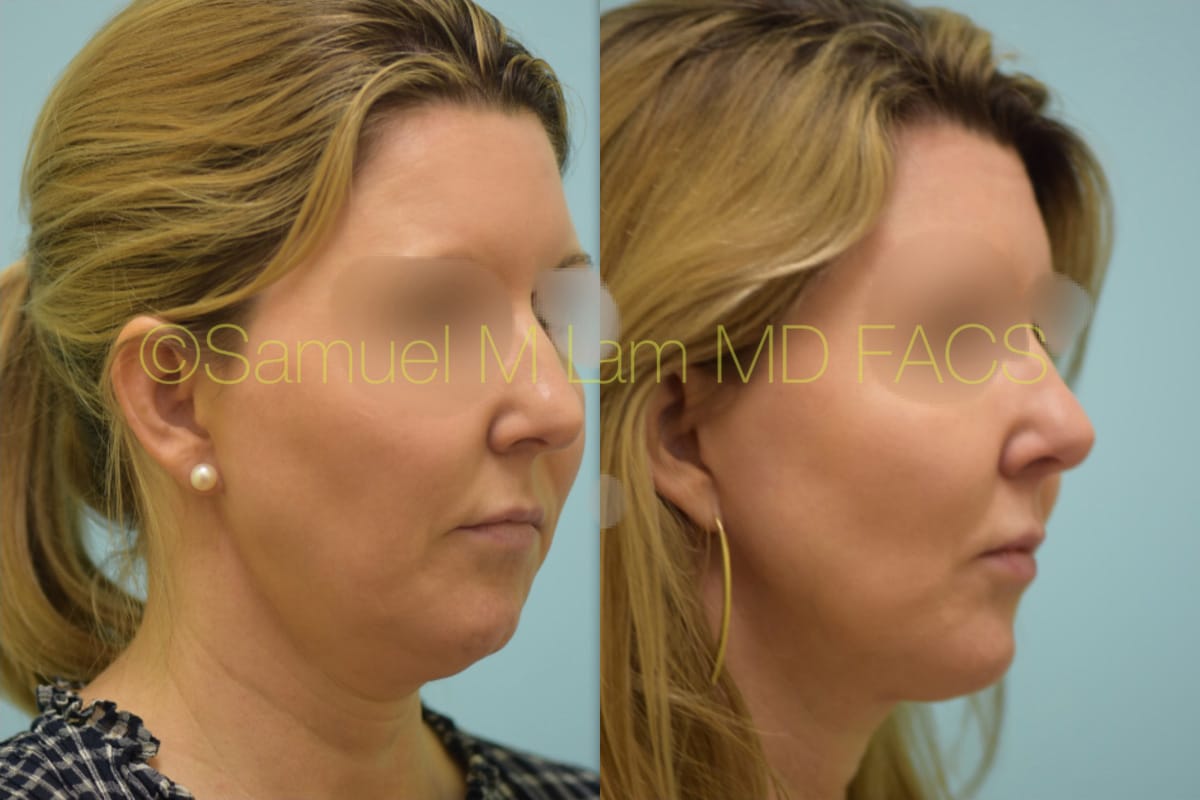
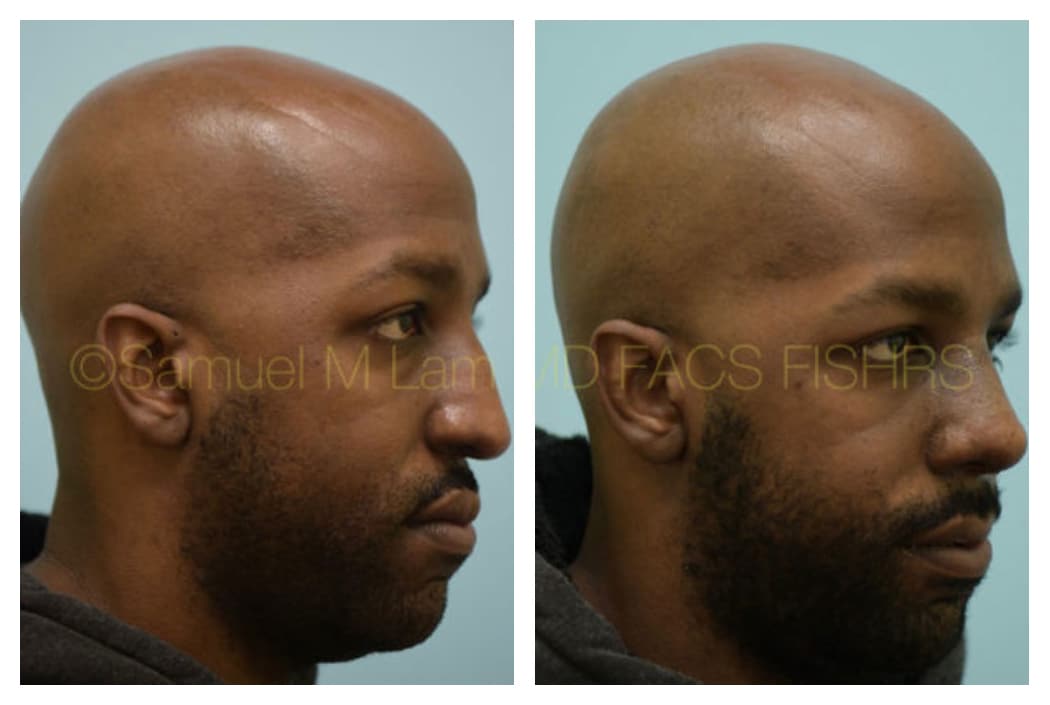
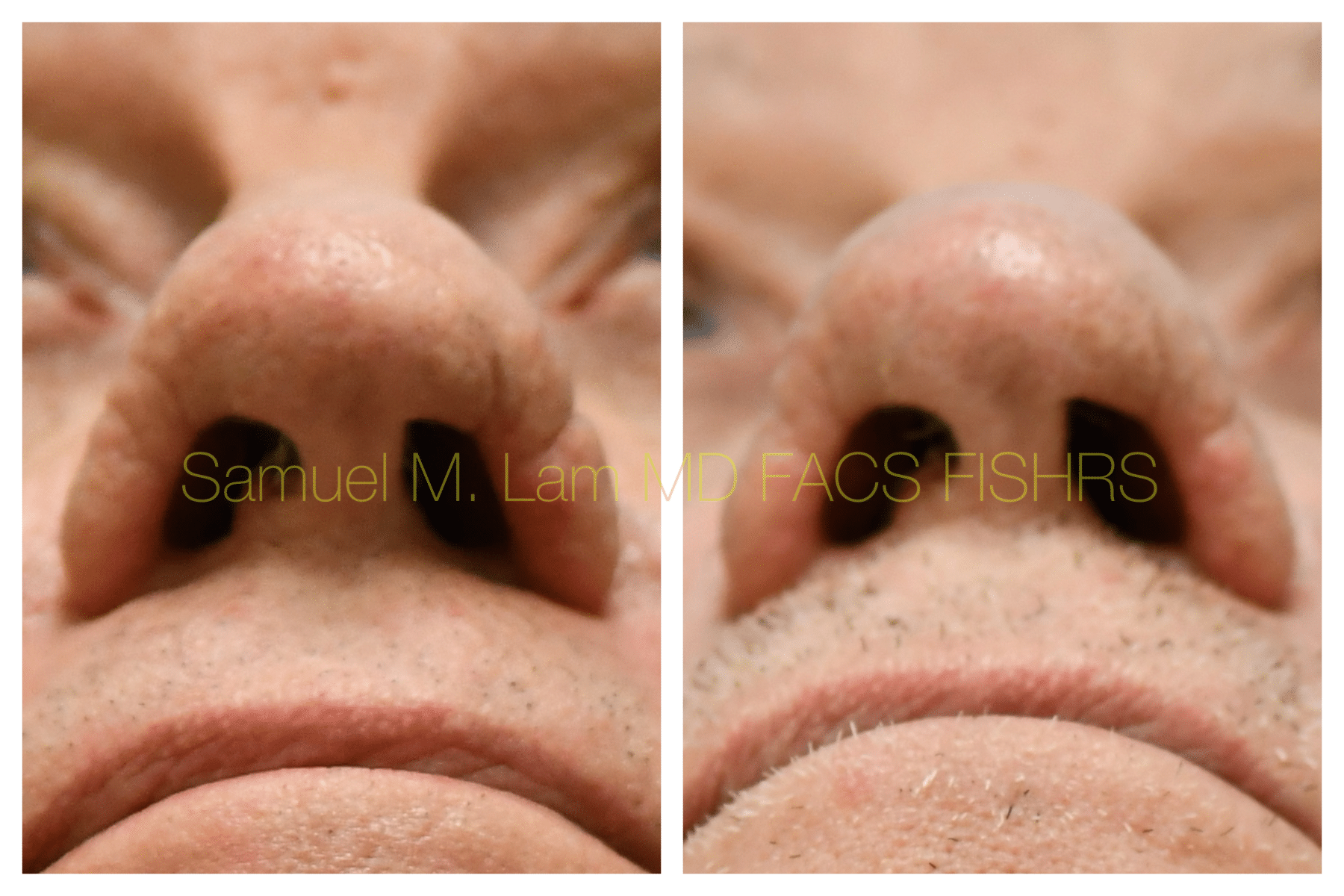
Real results
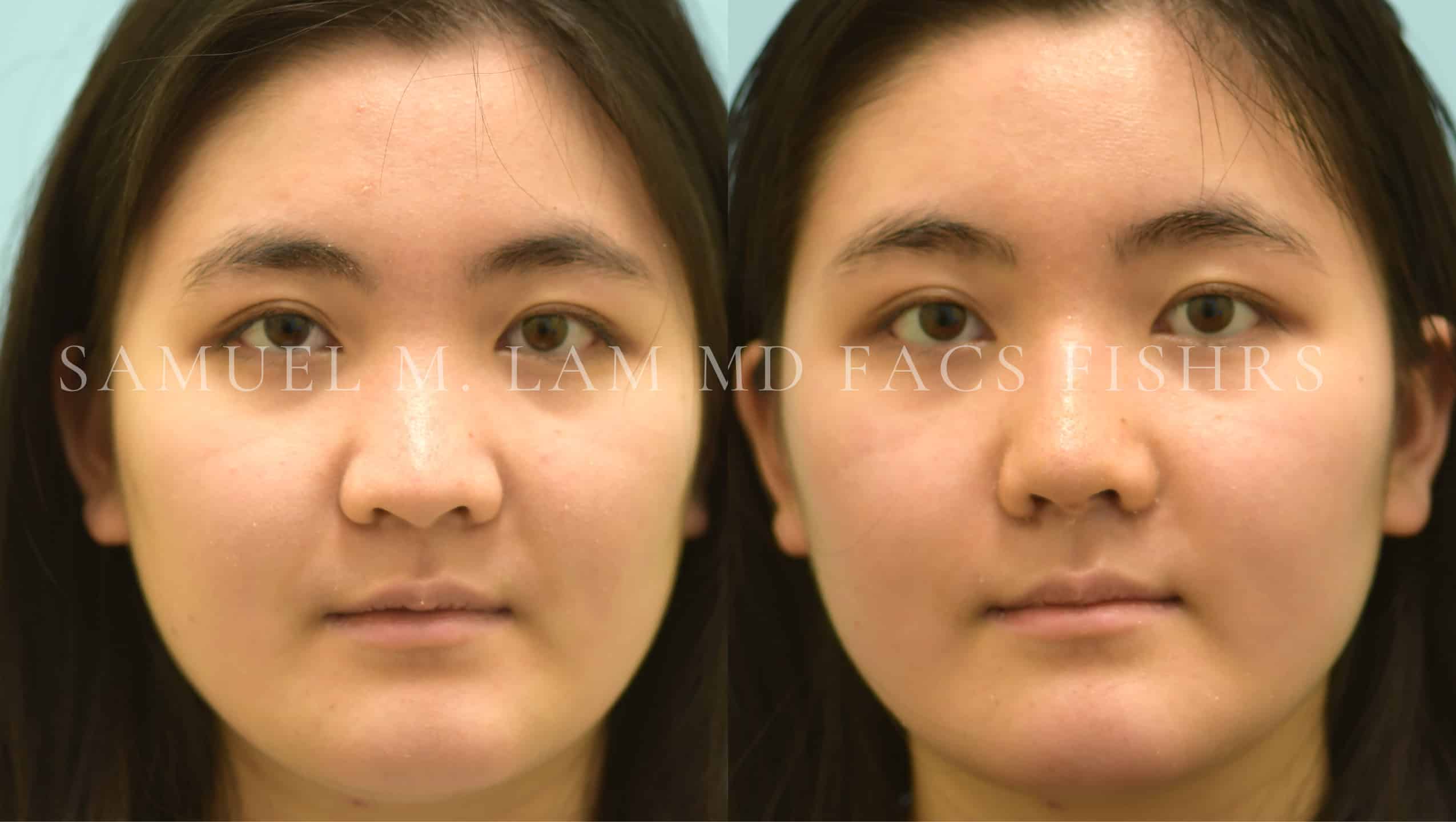
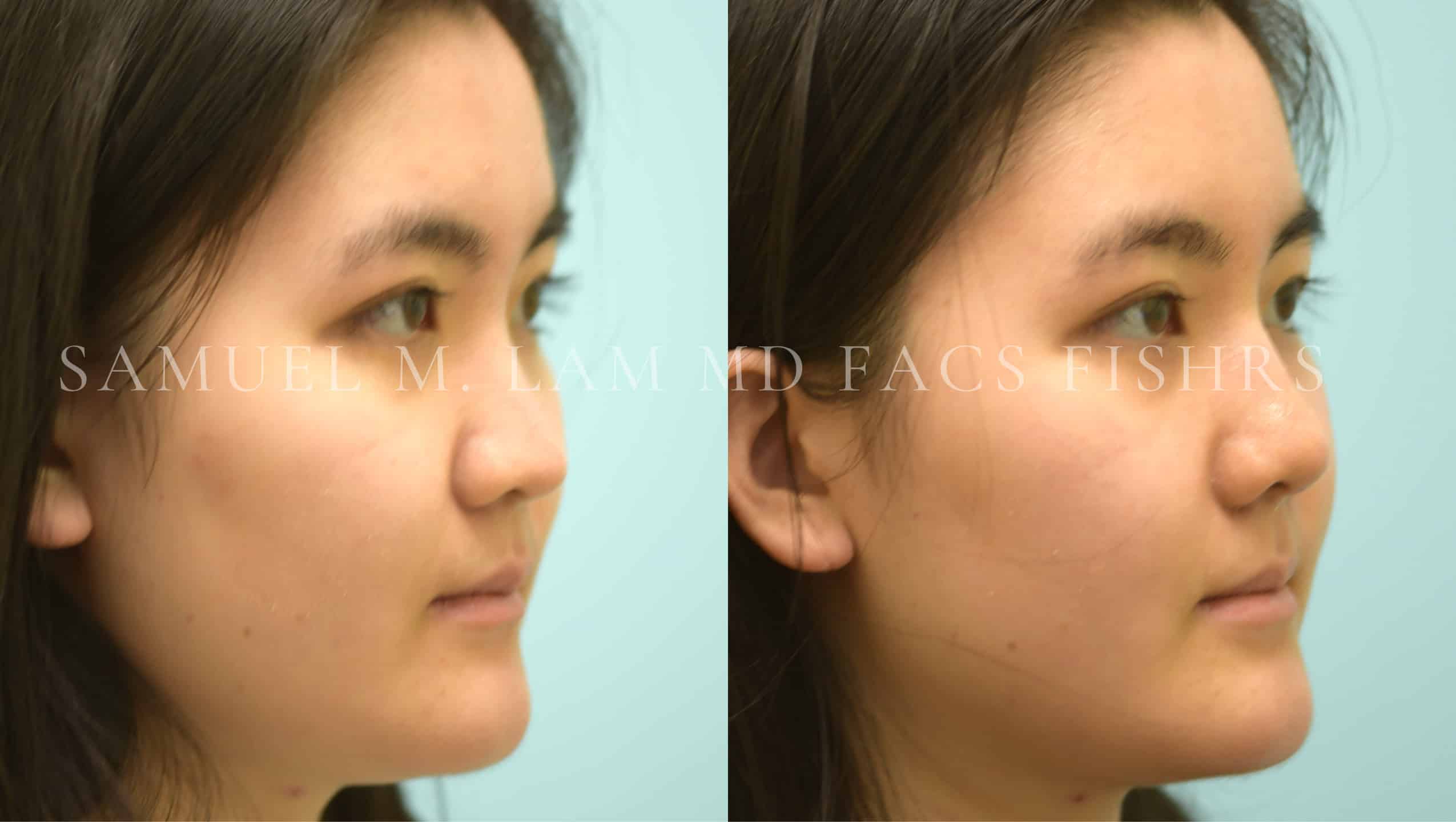
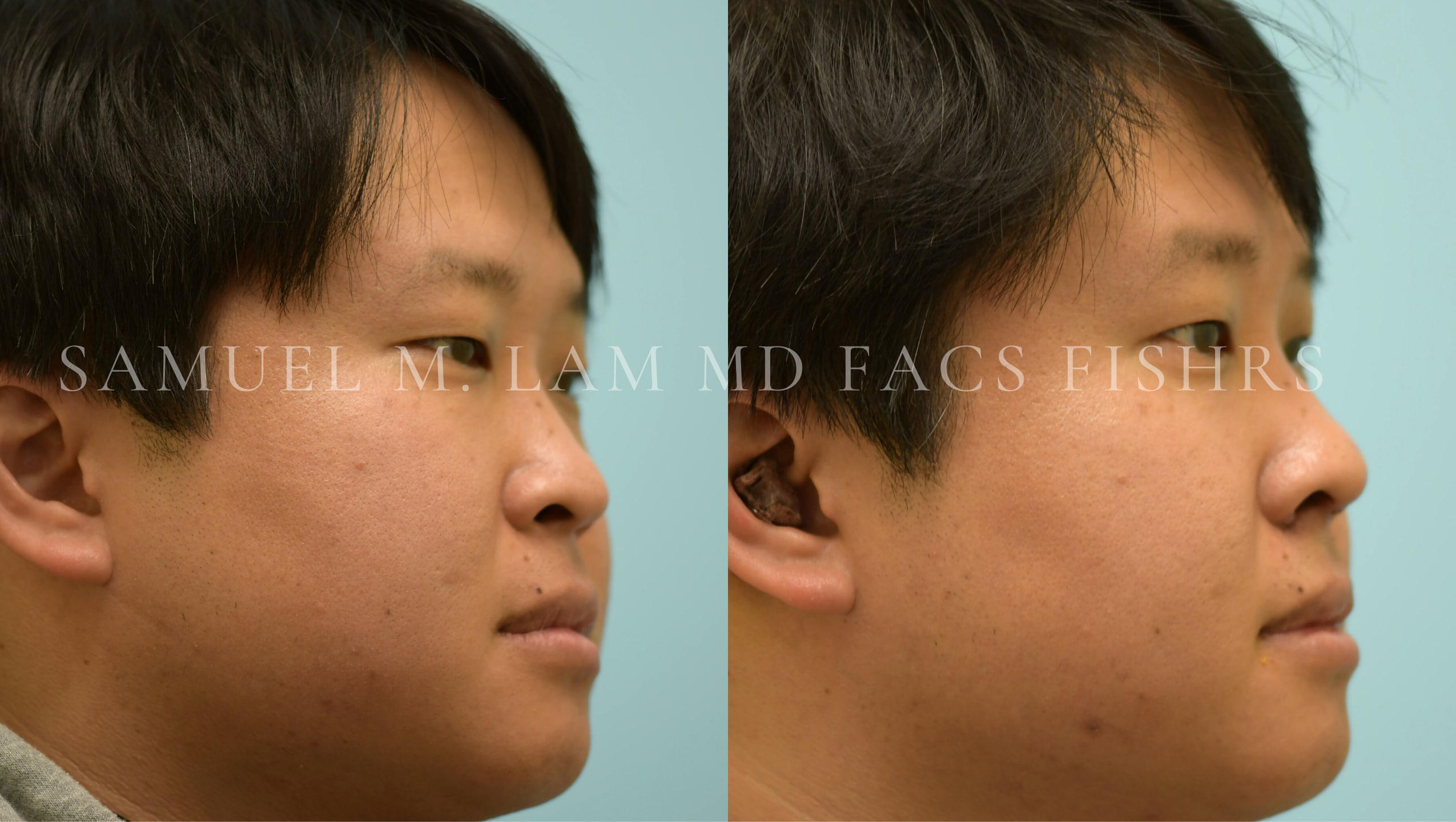
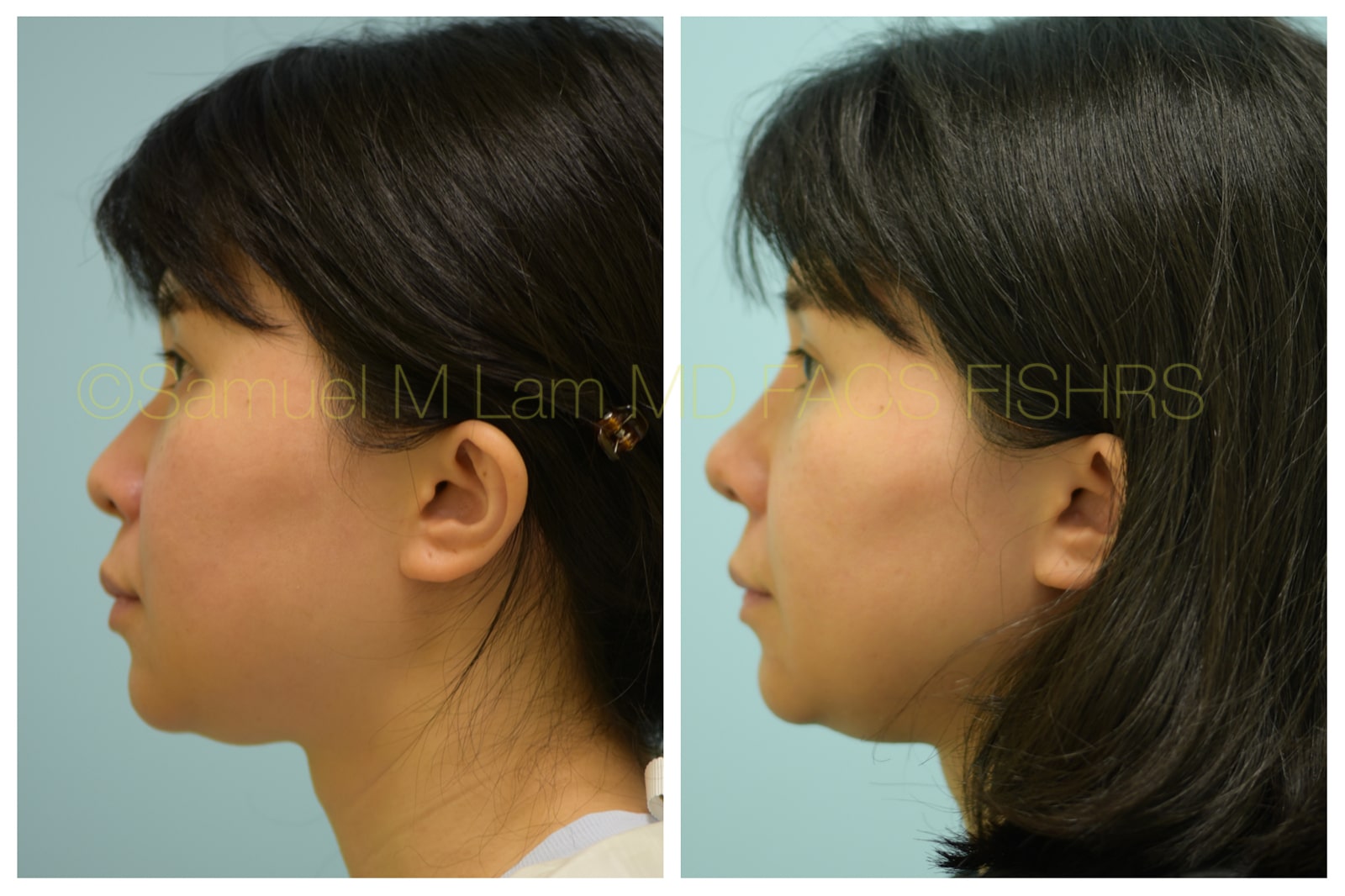
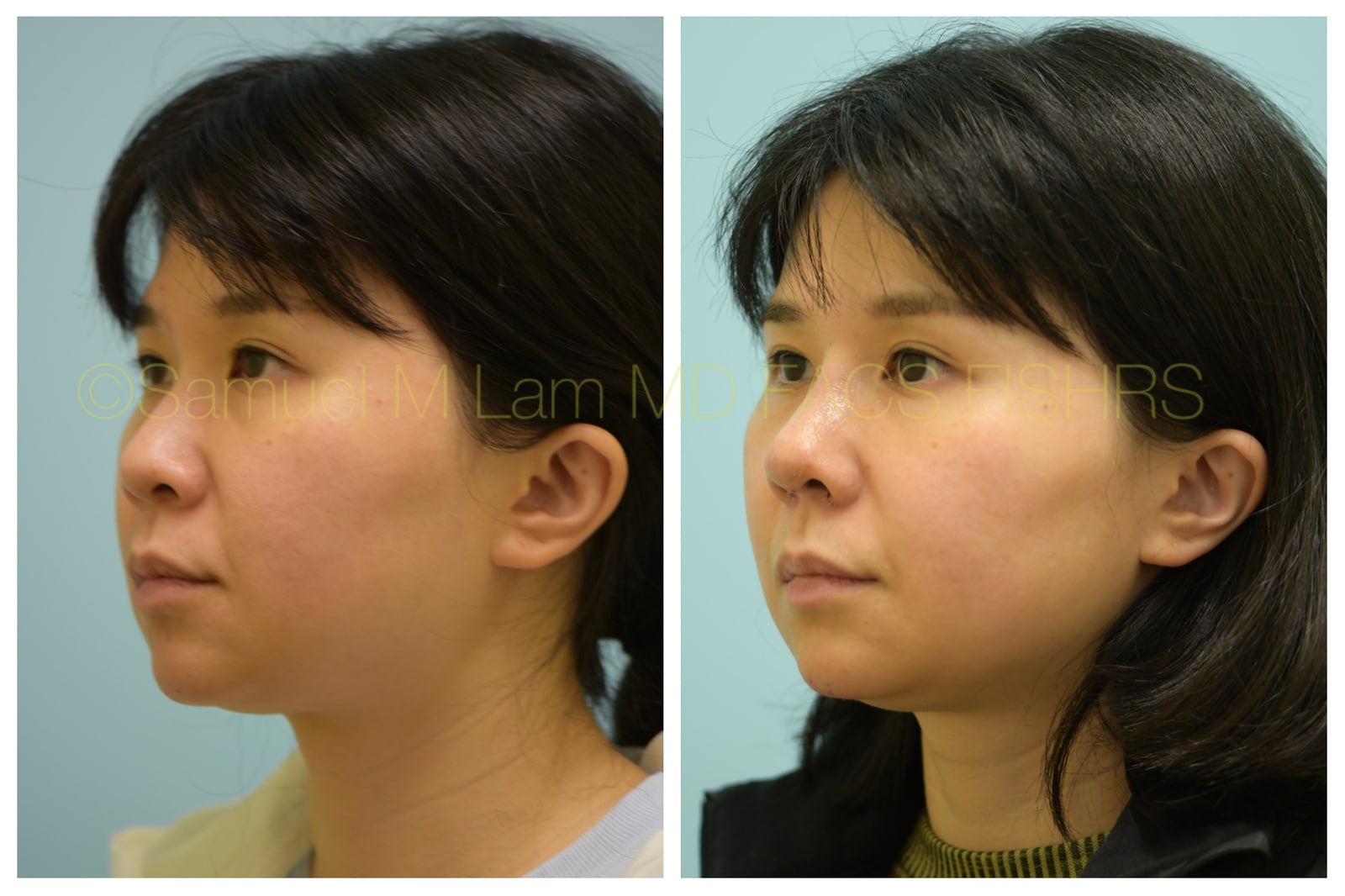
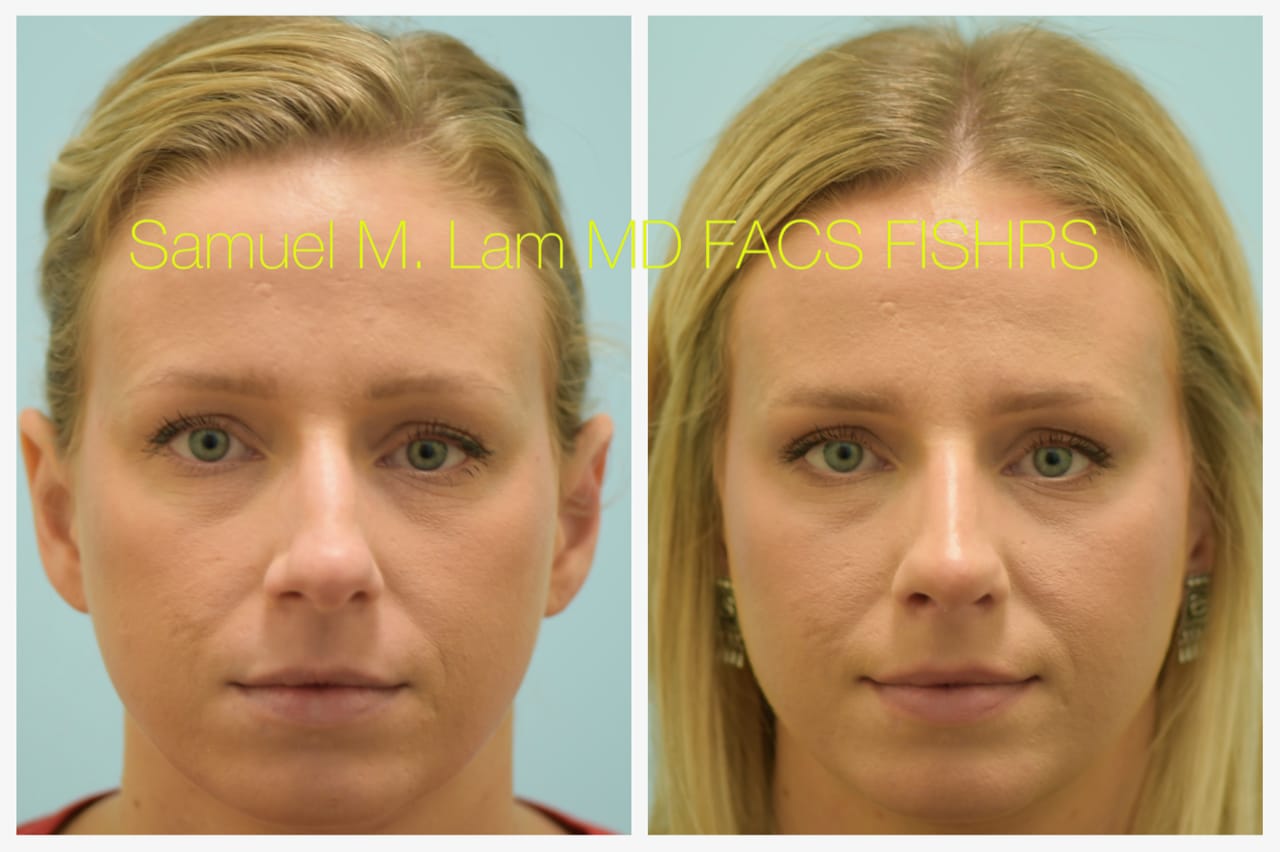
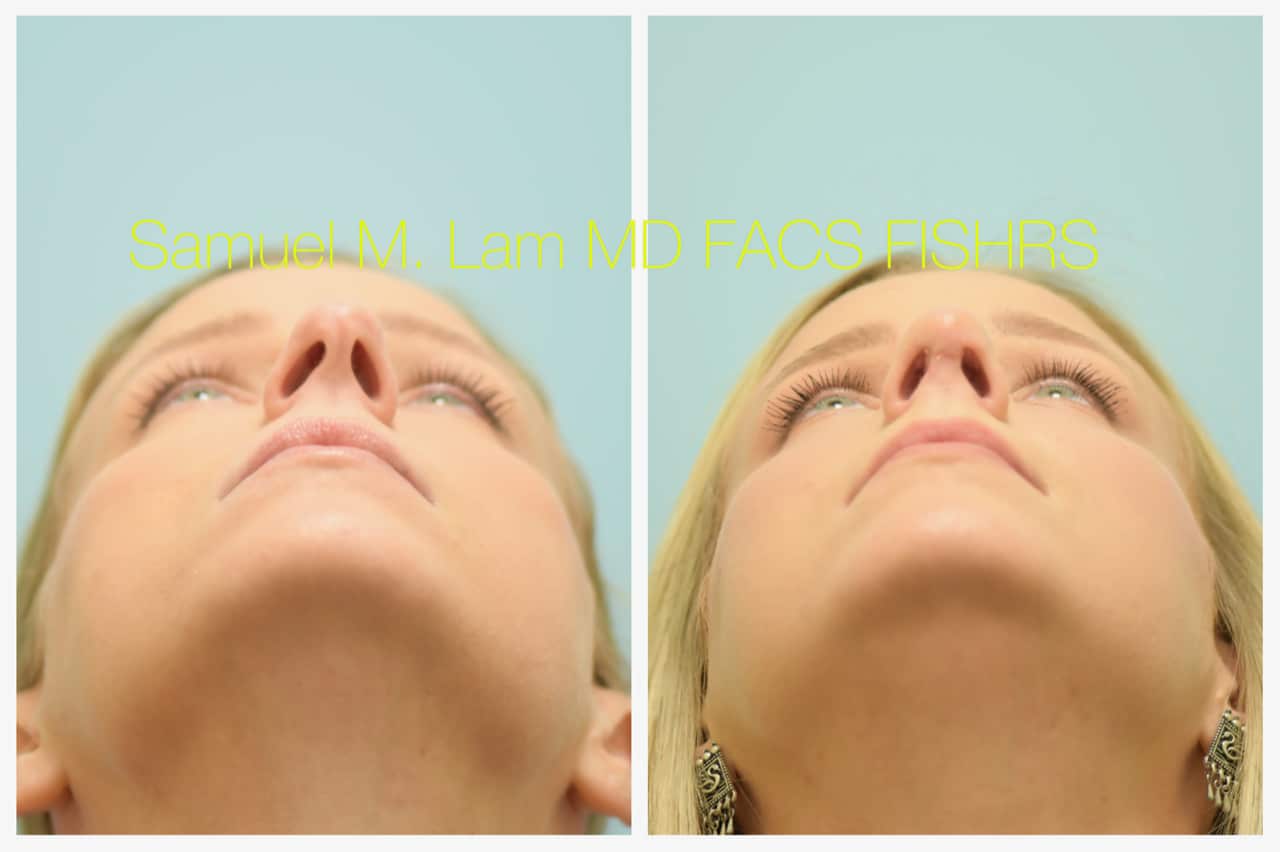
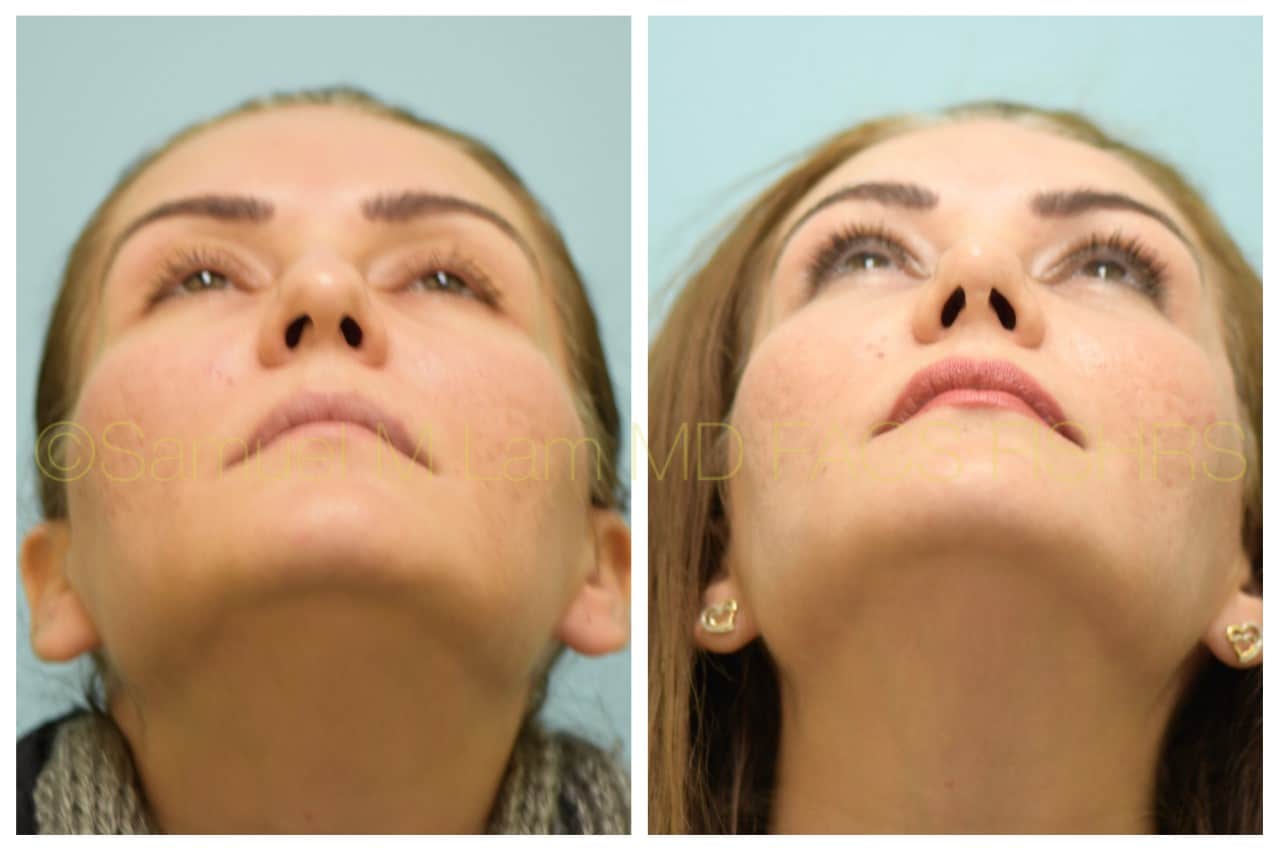
Documented before & afters.
Tap any photo to view it larger.
In the clinic
See the consultation.
FAQ
Common questions.
What is ethnic rhinoplasty?
It preserves the features that define your face while refining proportion — never "Westernizing" the nose. Dr. Lam is a recognized expert in Asian, African-American, Hispanic, and Indian rhinoplasty.
Can a revision rhinoplasty be fixed?
Most can. Dr. Lam specializes in correcting previous surgery — saddle deformities, asymmetries, over-resection — regardless of when it was done.
Is the scar visible?
For most rhinoplasty approaches, incisions are hidden inside the nostrils.
How long is recovery?
A splint stays on about a week. Most patients are back to non-strenuous life quickly; the final result matures over a year.
§ — Begin
Schedule your consultation.
Bring the nose that bothers you. Leave with a design discussion — honest candidacy, real imaging, and a plan built around your face.